National Agriculture and Forestry Research Institute
Climate Control at NAFRI
Three-layer greenhouse intelligence — ventilation, fan automation, and photosynthesis lighting in one connected system.
15 May 2025 · National Agriculture and Forestry Research Institute
Climate Control at NAFRI
NAFRI's greenhouse research programme required precise, automated control of temperature, humidity, ventilation, and LED light cycles. Sensornode delivered a three-layer system — alarm-spot ventilation monitoring, sensor-driven fan automation, and programmable LED scheduling — in one connected platform.
Background
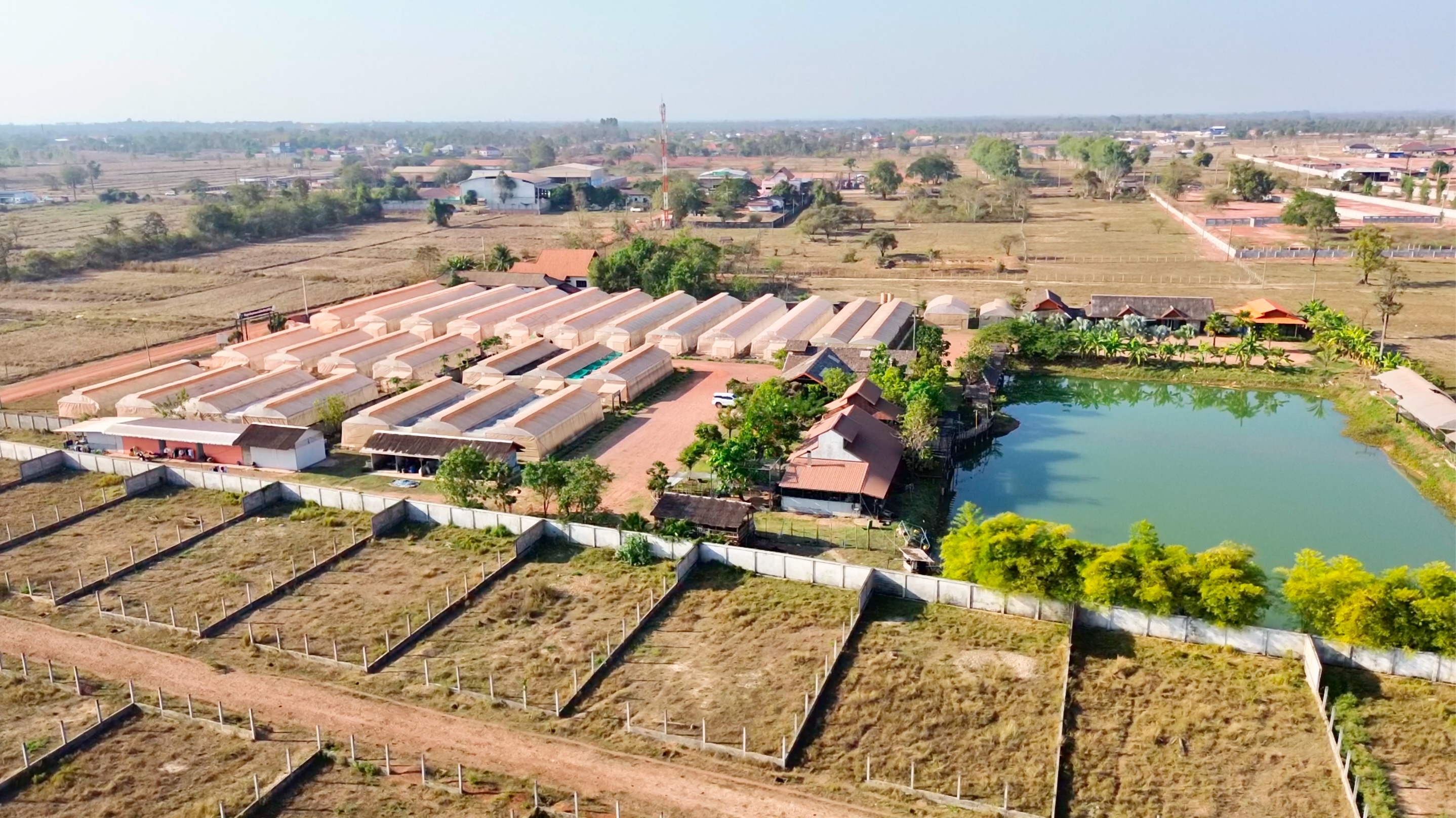
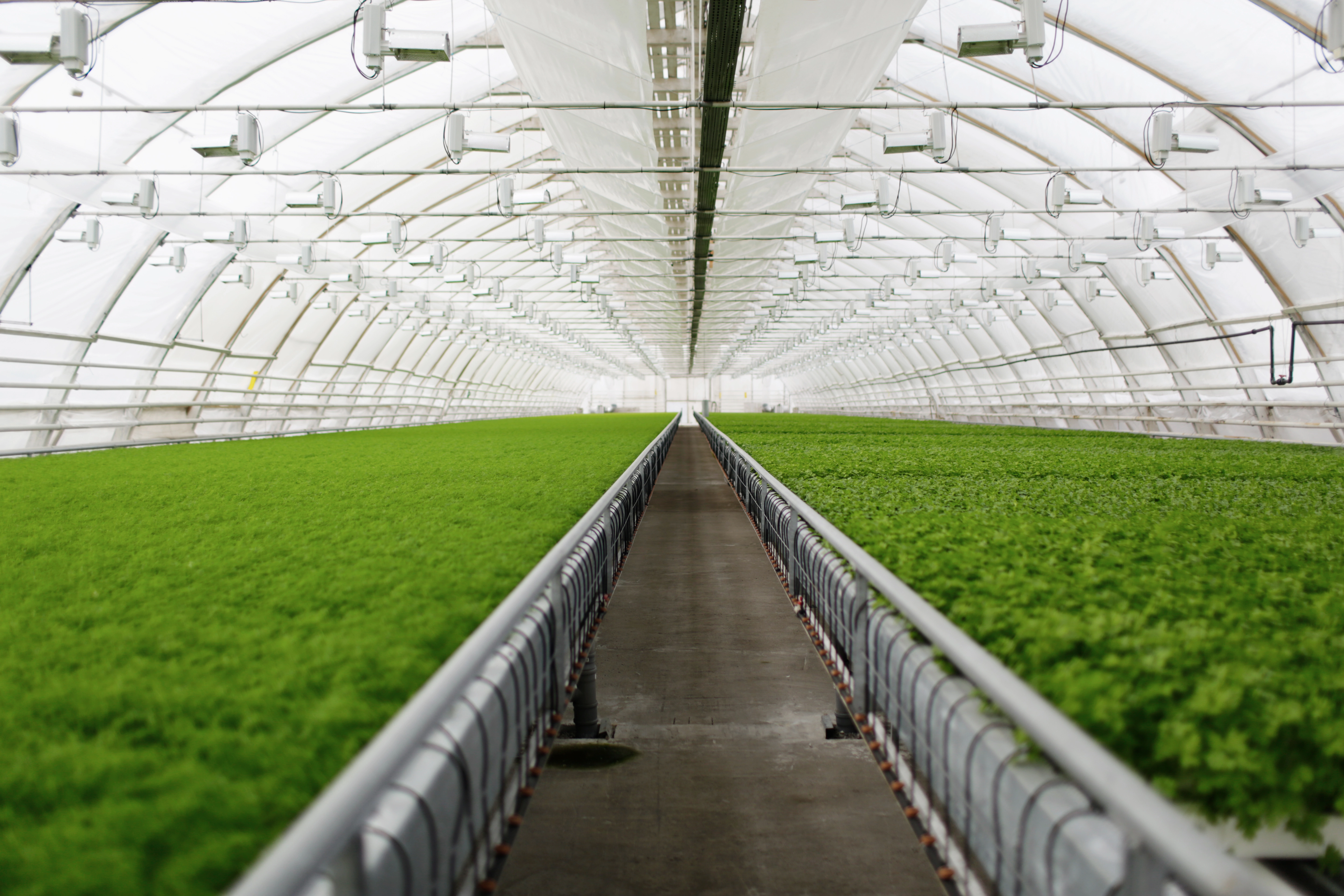
NAFRI's greenhouse research programme studies crop growth under controlled environmental conditions. Researchers require precise management of temperature, humidity, ventilation, and light cycles to conduct repeatable experiments and generate reliable agronomic data.
Challenge
Existing greenhouse infrastructure lacked the automation needed to maintain stable conditions across experiments. Manually adjusting fans based on periodic temperature checks was insufficient for sensitive crops. There was no way to schedule or monitor LED lighting for photosynthesis studies, and no alarm system to flag dangerous temperature or humidity extremes automatically.
Approach
Sensornode delivered a three-layer Smart Climate Control system. The ventilation layer monitors inside and outside temperature and humidity in real time, with an Alarm Spot function that automatically identifies the highest and lowest readings for targeted investigation. The fan automation layer controls each fan based on live sensor thresholds in automatic mode, with full manual override available. The lighting layer provides programmable LED scheduling to manage photosynthesis light cycles precisely, with monitoring data recorded for research correlation.
Outcomes
Alarm Spot Detection
Automatic flagging of temperature and humidity extremes enables rapid investigation before crops are affected.
LED Photosynthesis Control
Scheduled LED lighting supports precise photosynthesis experiments with monitoring data for research records.
Dual-Mode Fans
Automatic sensor-driven fan control with full manual override gives researchers experimental flexibility.
Continuous Visibility
Real-time and historical charts track environmental trends across the full crop growth cycle.